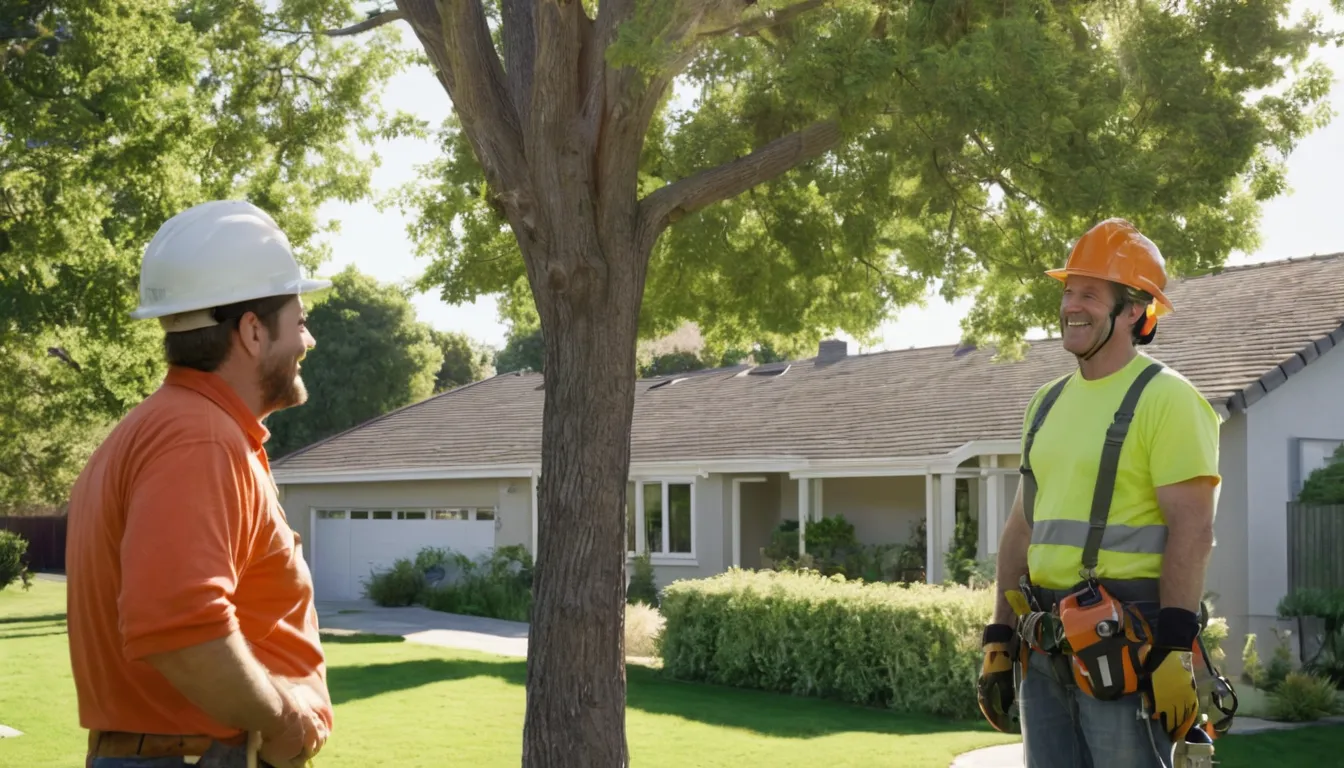
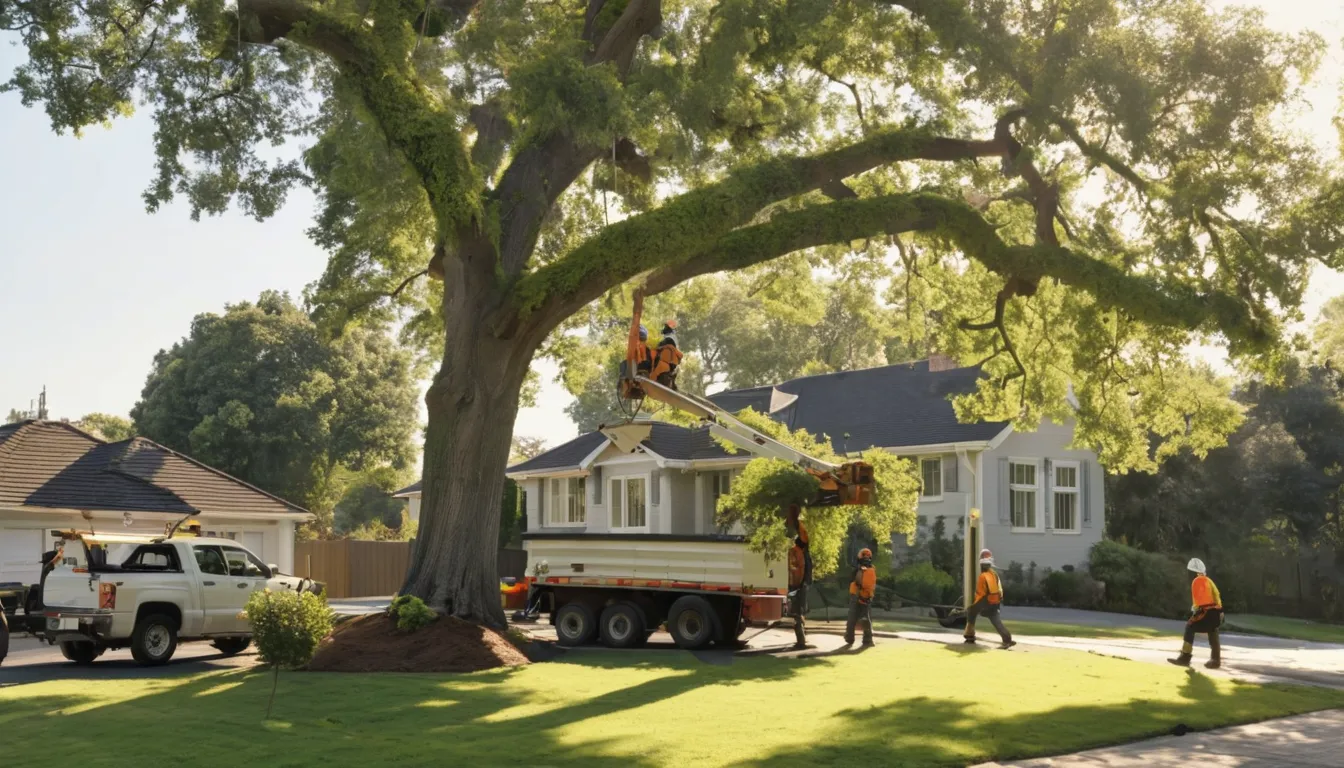
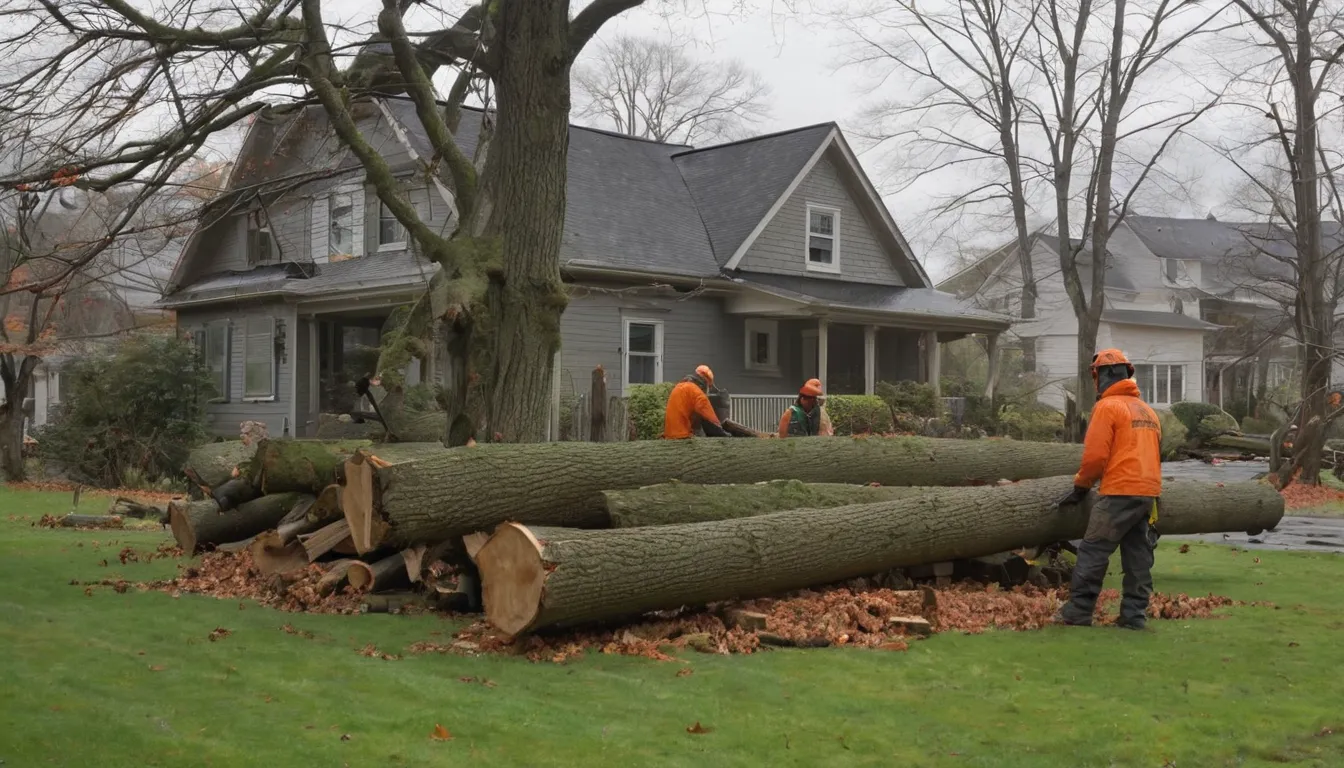
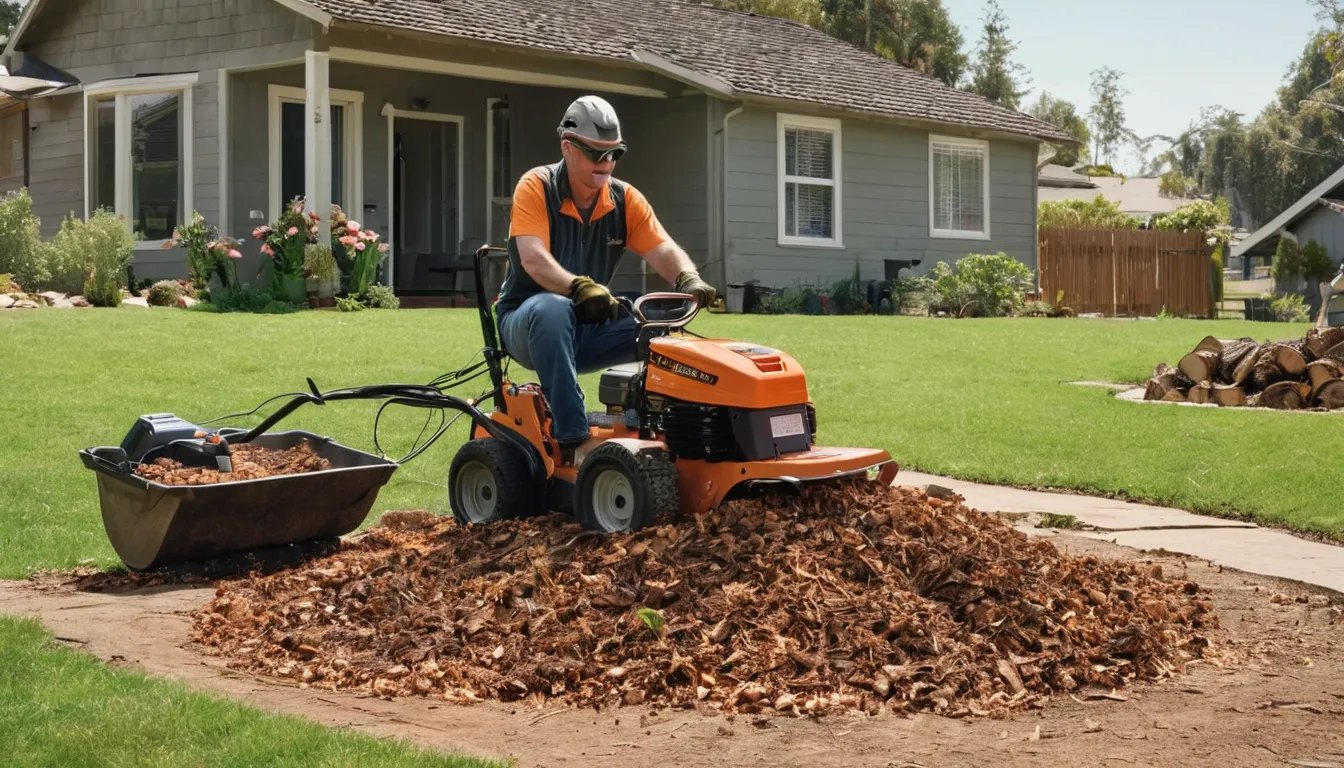
Start with safety, then make a plan
A tree that leans, splits or rests on a roof is not a weekend project. Do not climb it. Do not cut it from a ladder. Do not park a car underneath it while you decide what to do.
Courtslanding Tree Service is a referral service for homeowners in Seven Mile and the Seven Mile area. We do not cut or haul anything ourselves. We connect you with independent providers in our network who handle residential tree removal, emergency tree removal and stump grinding.
Here is the order we suggest. Keep people and pets away from the tree. Take a few photos from a safe distance. Then request an estimate and describe what you see. A provider can review the details and explain what the job may involve.
Request an Estimate
If a tree is already down, or it blocks a door or driveway, talking to a provider may help you sort out the next steps. Request a callback to check provider availability. Many providers can respond quickly when a tree is a safety risk, though timing depends on the provider and the weather.
Request an Estimate
You compare. You decide. There is no obligation to hire anyone.
How It Works
A referral service, not a tree crew
Courtslanding Tree Service does not own trucks, saws or chippers, and nobody from Courtslanding Tree Service will show up in your yard. You tell us about your tree. We connect you with independent providers in our network who work in Seven Mile and the Seven Mile area. The provider you speak with is the business that gives the quote, sets the schedule and does the work.
Why safety leads every step
Most tree injuries come from rushed choices: a wobbly ladder, a borrowed chainsaw, a limb that was heavier than it looked. Our advice is plain.
- Do keep everyone clear of a leaning, cracked or hanging tree.
- Do treat any wire touching a branch as live, and stay far back.
- Do not cut a tree that is under tension or caught in another tree.
- Do not accept a job with no written price and scope.
What happens after the tree is gone
A removal is not the finish line. Once the tree comes out, the yard needs a few follow-ups. The stump needs a plan. Nearby trees may catch more wind than before. Soil that roots once held may shift or drain differently. Good providers will talk about these points before they leave, so the same problem does not return next season.
How to use this site
Read the service pages, write down your questions, and request an estimate when you are ready. Share the tree size, where it stands, and anything it could hit. The more detail you give, the clearer the first conversation will be.
Where Local Providers Work
Providers in our network serve Seven Mile and the wider OH communities across the Seven Mile area. Trees here face real stress. Deep winter frost can crack limbs and heave soil. Hot, humid summers invite decay and heavy growth. Severe thunderstorms and hail strike branches hard, and spring flooding can loosen roots.
The homes matter too. Many bungalows, ranch homes and older frame houses sit close to mature trees. Many have full basements with sump pumps. That is why tree location, root spread and drainage deserve a look before any cutting starts. A good provider will check roof lines, fences, wires, and the ground around your foundation.
Not every provider covers every street, and availability changes with the season and after storms. Tell us your town and the type of job, and we will point you toward providers who serve it.
Request an Estimate
If you are not sure how urgent your situation is, Request a callback to check provider availability and talk through what you are seeing.
Request an Estimate
Keeping Your Yard Safe Afterward
Look at the trees that remain
When one tree comes out, check its neighbors. Look for dead branches, bark that is peeling away, mushrooms at the base, or a new lean. Ask the provider to point out anything that worries them before they pack up.
Do not ignore the stump
A leftover stump can rot, attract insects and trip people. Stump grinding removes it below grade so you can plant grass or a new tree. Do not dig around it with a shovel and leave the roots to sort themselves out.
Prune on a schedule
Light, regular pruning is safer than heavy cuts after years of neglect. Dead limbs over a roof or driveway are the first to go. Do not top a tree. It weakens the structure and invites decay.
Prepare for storm season
Before hail and thunderstorm months, walk your yard. Note limbs over the house, shed and power lines. Having a provider look early gives you options. Storm tree clearance after a bad night is stressful and rushed.
Watch drainage and roots
Spring flooding and sump pumps tell you where water goes. Do not plant thirsty trees close to the foundation, drain lines or a sump discharge. Ask a provider about root spread before you choose a new spot.
Questions to ask before you hire
- Can you show proof of liability insurance and workers' compensation?
- Will you put the scope, price and cleanup in writing?
- How will you protect the roof, lawn and fences?
- Who handles stump grinding and debris hauling?
A good answer is specific and calm. It names the equipment, the steps and the risks.
Red flags to walk away from
Be careful with anyone who knocks on your door after a storm, asks for full payment up front, refuses to show insurance, or pushes you to decide on the spot. Pressure is a warning sign. Take your time and compare more than one estimate.
Request Your Estimate
Ready to plan your tree project? Tell us about the tree, where it stands, and what it could reach if it fell. Photos help. A provider in our network will review the details and share a written quote when the job allows.
Request an Estimate
Prefer to talk it through? Request a callback to check provider availability, or email contact@courtslanding.garden with your questions.
Request an Estimate